
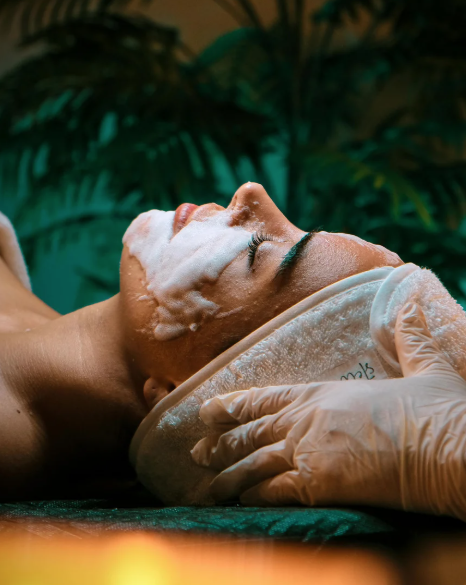
Results may bring a client through the door for the first time, but ritual is what keeps them coming back. In an industry that has become increasingly driven by speed, technology, and visible outcomes, many clients are quietly craving something deeper. They want to feel safe in their bodies, seen as individuals, and genuinely cared for rather than processed through a protocol. Ritual is what transforms a service into an experience, and an experience into a relationship that clients trust and return to.
True ritual begins long before hands touch skin. The consultation itself is often the first opportunity to establish safety and connection, yet it is frequently rushed or treated as a formality. A consultation that feels spacious and intentional communicates respect. When an esthetician asks thoughtful questions, listens without interrupting, and reflects back what they hear, it signals to the client that they are not being placed into a one size fits all treatment. They are being understood. This moment sets the tone for the entire experience and can immediately lower nervous system defenses, allowing the skin and the body to respond more openly to treatment.
Clients are increasingly discerning. They want to know that their concerns are being considered in context, not just addressed symptomatically. When a client feels that their lifestyle, stress levels, sensitivities, and goals are acknowledged, trust forms quickly. Trust is what allows clients to relax, follow recommendations, and commit to long-term care rather than hopping from provider to provider in search of quick fixes.
Once the treatment begins, touch becomes one of the most powerful tools an esthetician has. Intentional, confident touch communicates far more than words ever could. It conveys professionalism, presence, and calm. The way hands move across the skin, the pressure used, and the rhythm of touch all send signals to the nervous system. Whether performing a cleansing massage, lymphatic drainage, or sculpting technique, how the esthetician touches the client shapes how the body receives care. When touch is rushed or disconnected, the body remains guarded. When it is grounded and intentional, the body softens and becomes receptive.
Touch is also deeply regulating. Many clients arrive carrying stress in their jaw, shoulders, and face without even realizing it. Thoughtful manual techniques can help release stored tension and invite a sense of safety that goes far beyond visible skin results. This is especially important in a world where many people are chronically overstimulated and rarely experience nurturing, non-demanding touch.
The environment itself plays an equally important role in ritual. Lighting, scent, sound, and temperature all communicate directly with the nervous system, often before a client consciously registers them. Consistency in these elements matters. When a client knows exactly how your space will feel every time they walk in, their body begins to relax before the treatment even starts. Predictability creates safety, and safety allows for healing.
This is particularly crucial for clients with sensitive, reactive, or health-challenged skin, as well as those who are emotionally overwhelmed or burned out. For these clients, the treatment room may be one of the few places where their nervous system is allowed to downshift. A calm, thoughtfully curated environment supports not only skin health but overall wellbeing.
Ritual does not end when the treatment does. Post-treatment integration is often overlooked, yet it is one of the most powerful moments for reinforcing value and education. Taking the time to explain what the skin experienced, what responses may occur over the next few days, and how to support healing at home helps clients feel informed and empowered. It turns the treatment into a collaborative process rather than a one-time event.
Clients should leave feeling cared for all the way through the end of the experience, not rushed out the door once the service is complete. When education is delivered calmly and clearly, it reinforces trust and positions the esthetician as a guide rather than a salesperson.
Ritual does not need to be elaborate or performative. It simply needs to be intentional. When done with consistency and care, ritual creates loyalty that no discount, device, or trend ever could. It reminds clients why they chose you, and why they continue to return.
